
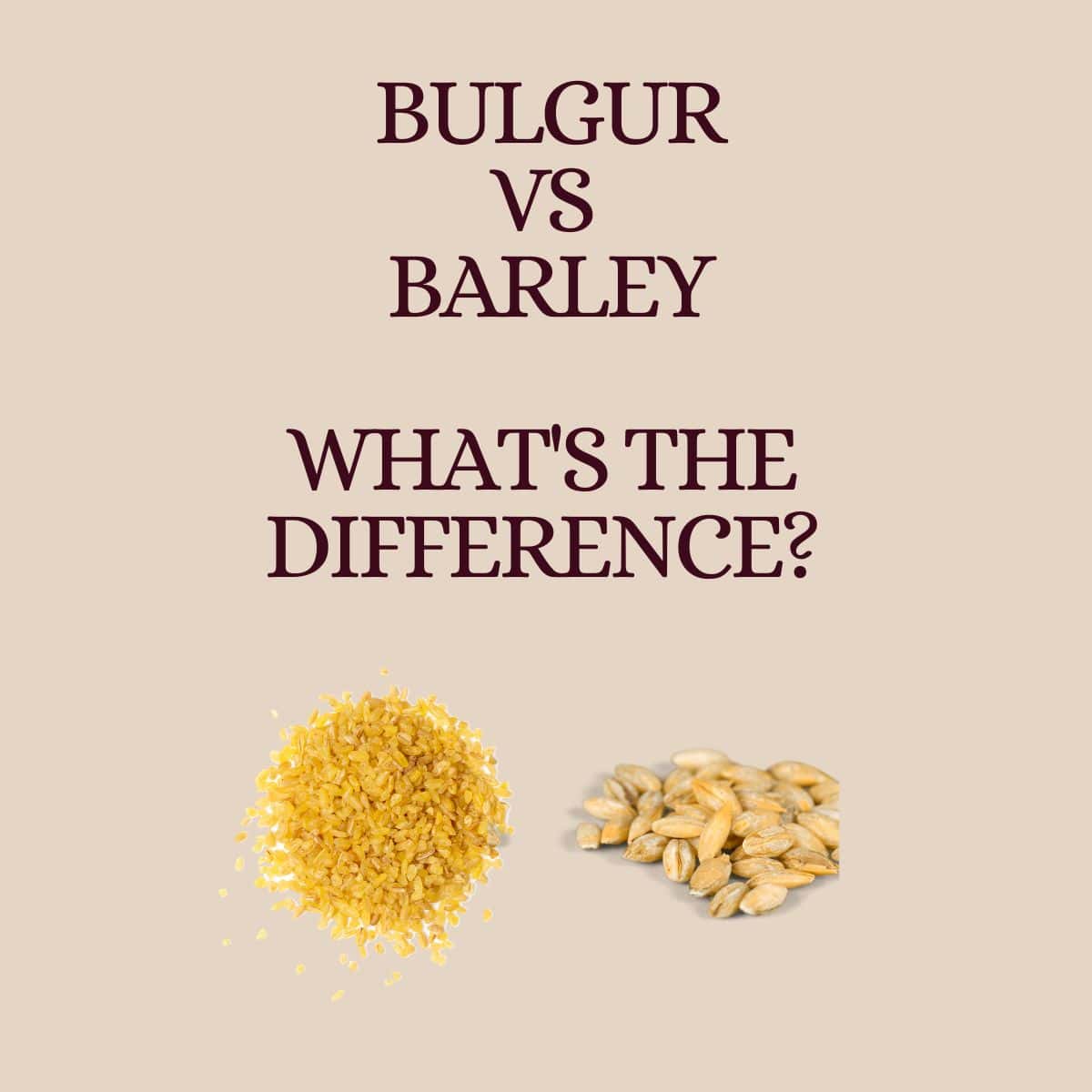
Both bulgur and barley are ancient grains that have been cultivated for thousands of years. Both have outstanding health benefits including loads of fiber while remaining low in fat. Here we'll spell out all the main differences and similarities between these highly versatile and heart healthy grains.
Taste Comparison
Both bulgur and barley have a lightly nutty flavor that is typical of cereal grains. They have a slightly chewy texture with bulgur being less chewy as it is comprised of smaller pieces. Bulgur and barley are highly versatile grains because of their subtle flavors and ability to take on and compliment stronger flavored ingredients and spices.
Health and Nutritional Benefits
Both of these ancient grains offer a powerhouse of essential nutrients and health benefits. Each are great sources of dietary fiber, B vitamins, iron and magnesium. In a 1 cup serving, bulgur contains 151 calories, less than 1 gram of fat, 33 grams of carbs, 8.2 grams of fiber and 5.6 grams of protein. In comparison, pearled barley contains 193 calories, less than 1 gram of total fat, 44 grams of carbs, 6 grams of fiber and 3.6 grams of protein. Clearly both choices are healthy grains and are great options to add to low-fat diets to get substantial fiber and a small amount of protein.
Neither bulgur or barley are a gluten-free grain suitable for those adhering to a gluten-free diet. Pearled barley does have a very low gluten content while bulgur wheat has a much higher gluten percentage. If looking for a gluten-free alternative, these grains would not be ideal options for you.
Due to their high fiber content and low fat, bulgur and barley can both have a positive impact on gut health. The fiber helps good bacteria thrive in the gut while helping eliminate waste and keeping bowel movements regular. Nutritious grain such as bulgur and barley have also been shown to positively impact blood sugar levels, weight loss and blood pressure. This could stem from their ability to positively impact satiety and contributing to feelings of fullness. A great addition to any diet!
Cooking Tips and Differences
Both bulgur wheat and barley can be cooked on the stovetop using a 1:2 ratio of grain to water or broth. Depending upon the coarseness of the bulgur or the type of barley used will determine their required cooking time. Because bulgur is pre-cooked it typically only takes about 5-20 minutes to cook whereas barley requires longer cooking time, up to an hour.
What is Bulgur?
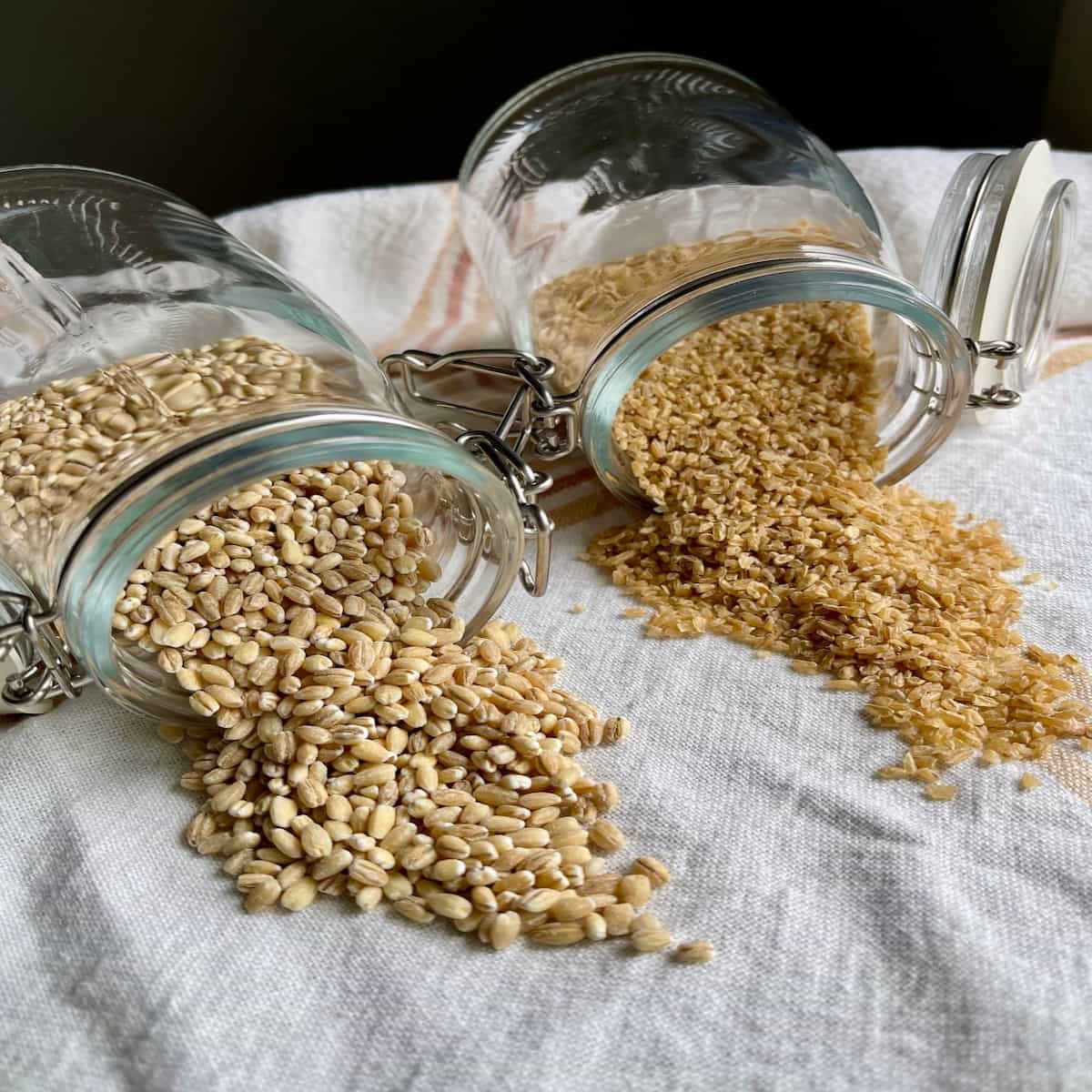
Bulgur is considered one of the oldest ancient mediterranean grains having been cultivated for over 4000 years. It is referenced in the Old Testament scriptures and was consumed widely during ancient times throughout Greece and the Middle East. To this day, bulgur, also known as bulgur wheat, is a whole grain staple of middle eastern cooking and is one of the most popular whole grains consumed across Europe and the United States. It is the key ingredient in dishes such as tabbouleh and various salads and soups.
Bulgur is made from cracked whole wheat kernels. After harvesting it, it is partially cooked via steaming, dried in ovens and then ground. During bulgur processing it can be ground to different levels including fine, medium, coarse and very coarse. Because it is parboiled during bulgur production, it has a very short cooking time similar to that of instant brown rice.
What is Barley?
Barley is the world's oldest cultivated cereal food and is considered an ancient grain. It is traced as far back as 5000 BC where it was used as an essential ingredient for bread. It was a staple food for ancient peoples, consumed by the Hebrews, Greeks, Romans and Europeans for centuries. It remains widely produced across the globe as the fourth largest grain crop behind wheat, rice and corn. 65% of present day barley produced is used for animal feed while up to 30% goes to malting grain which is used in beer production. Barley tends to grow well in a variety of climates and is resistant to heat compared to other whole grains.
Pearl barley is the variety that is most commonly consumed in the United States and is barley that has had the outer husk and bran layers have been removed via a polishing process. Because the husks have been removed, pearl barley is quicker to cook compared to unhulled barley. Pearl barley has a pleasant chewy texture, a nutty flavor and is a light tan color. Hulled barley, also called barley groats, is considered a whole grain and is a bit chewier and darker in color than the pearled variety. It also contains more dietary fiber thanks to the inner husk still encasing the kernel. It takes much longer to cook than pearled barley.
Best Uses For Bulgur and Barley
Barley and bulgur have a variety of culinary uses. These wheat grains can be leveraged as the main ingredient in soups, salads or as a side dish. Barley is widely used as the grain in stews and hearty soups while bulgur is often used as the base for salads in Mediterranean cuisine such as tabbouleh. Tailor either of these versatile grain to your personal preference and incorporate into your menu.
Best Substitutes for Bulgur and Barley
Due to their similar flavor profiles, bulgur and barley can easily be swapped for the other in recipes. If doing so, be cognizant to adjust for cooking times of each as they are vastly different. Quinoa makes another great option for a bulgur swap, but might not hold up in stews and does lack the chewy texture found in barley. Whole wheat couscous is another great alternative for bulgur and also makes an excellent salad base, but does have a slightly different nutritional profile in terms of fiber and essential vitamins. Couscous could be used in some instances for barley but similar to quinoa, might not hold up well in stews as it has a more similar consistency to pasta.


Leave a Reply