
The American Heart Association states that Americans consume over 77 grams of added sugar per day which is the equivalent of 17 teaspoons of sugar. To say that Americans have a sweet tooth and drastically need to reduce their daily sugar intake is an understatement. Many of us are looking for ways to cut out added sugar while still indulging that sweettooth. As such, the market for synthetic sweeteners including aspartame, sucralose and erythritol has quickly grown. These sugar-free sweeteners have resulted in mixed results with questions surrounding their safety including potential links to cancer and cardiovascular events and digestive discomfort.
If you're looking for an alternative to these artificial sweeteners and regular sugar that have zero calories and taste great, monk fruit and allulose are two natural sweetners approved by the FDA. Let's dive into a comparison of these natural sweeteners and how they might help or hurt your health.
What is Monk Fruit and Allulose?
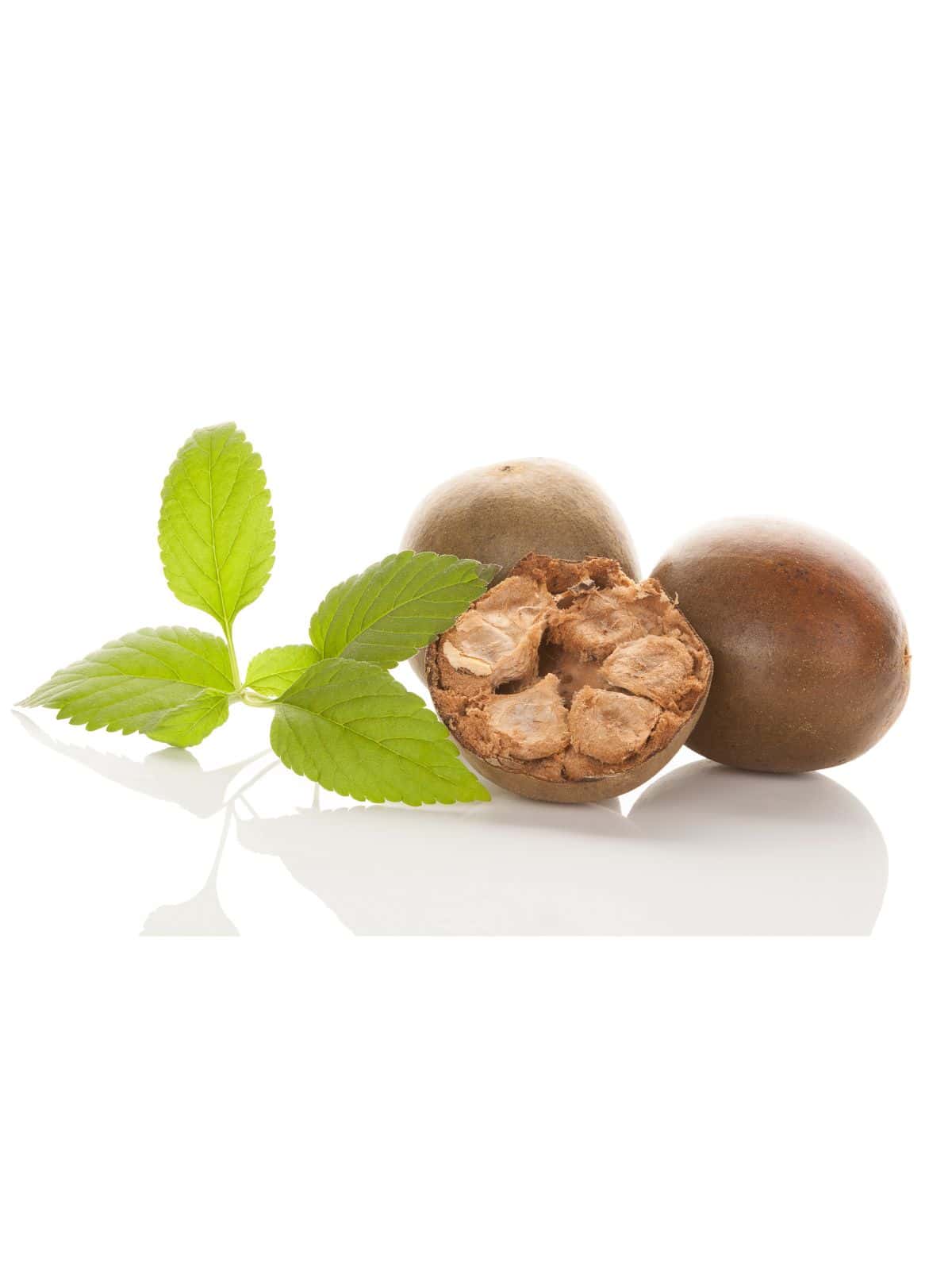
Monk fruit sweetener is a natural sweetener derived from the monk fruit, also known as luo han guo. This fruit is native to southeast Asia including southern China and northern Thailand. It has long been used in traditional Chinese medicine. Monk fruit is made by extracting the juice from the fruit which is then dried and ground into powder form. Monkfruit sweetener is 150-200 times sweeter than traditional sugar, but contains zero sugar or calories. It was approved by the FDA in 2010 and has been growing in popularity ever since. For the majority of people, monk fruit sweetner does not cause digestive issues nor does it have a bitter aftertaste like stevia extract does for some.
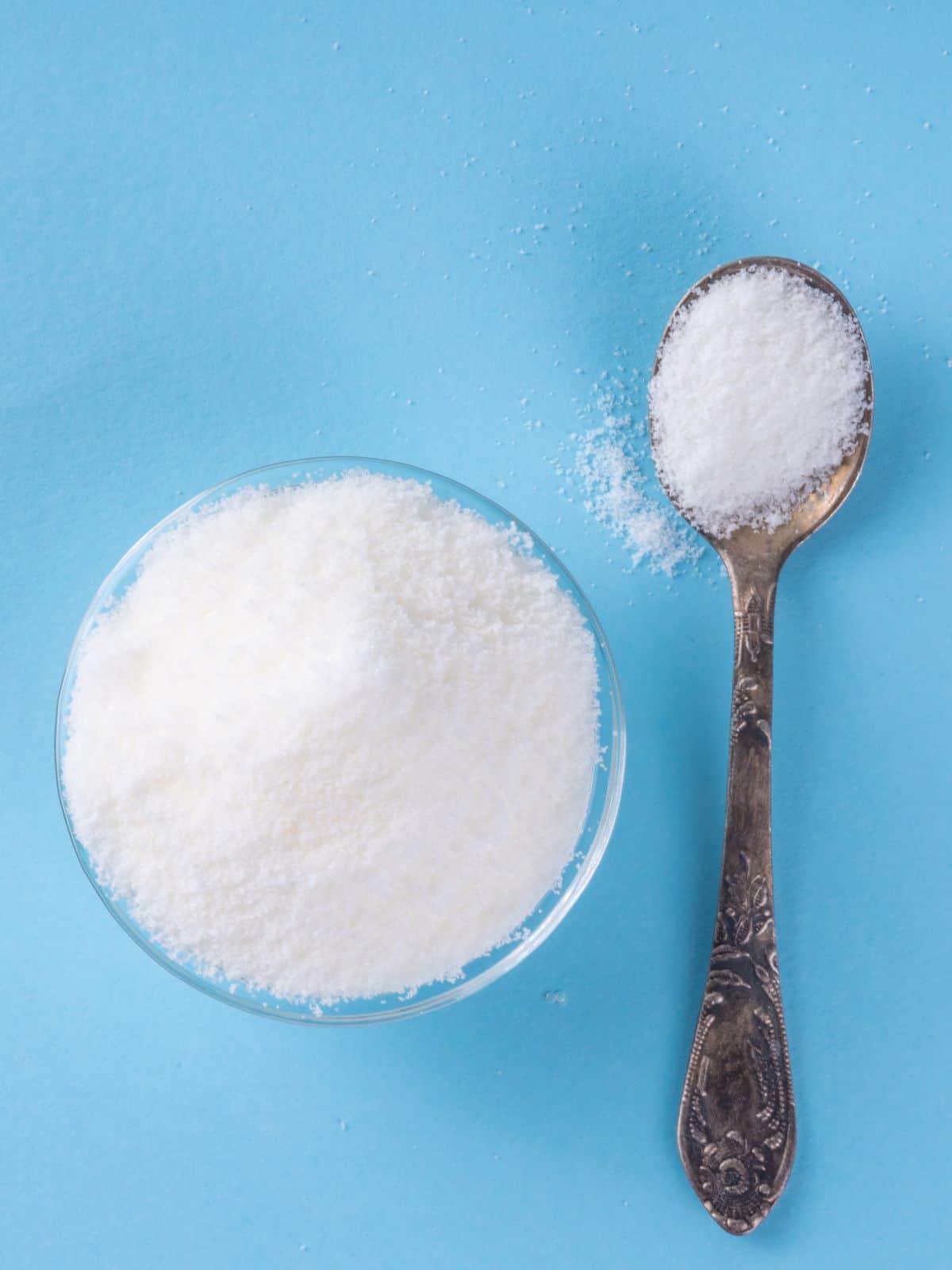
Allulose is a simple sugar, also known as a monosaccaharide, naturally found in fruits and foods such as figs, wheat, raisins, jackfruit and maple syrup. It can also be produced from corn and by treating fructose with special enzymes. As such, it is still considered a natural sugar alternative. Allulose was discovered in 1940 and approved by the FDA in 2012. It is not yet recognized as safe by Canada or the EU.
Allulose is 70% as sweet as regular sugar and contains 10% of the calories sugar has, making it a healthy alternative to everyday white or brown sugar. It also does not crystalize while baking making it a great alternative to sugar alcohol sweeteners such as erythritol. 70% of allulose is absorbed by the small intestine while 30% is excreted out as waste. The portion that is absorbed is not metabolized, which has a positive health impact on blood glucose levels among many other benefits.
How Do Monk Fruit and Allulose Compare to Other Sweeteners?
Monk fruit and allulose are similar to other zero-calorie sweeteners in that they both have minimal to zero calories in each serving. They could be classified with stevia in the category of natural, plant-based sweeteners as they are derived from natural sources versus manufactured in a lab. Most people do not report a bitter or cool aftertaste from monkfruit or allulose which has been a drawback of other popular sugar substitutes.
Both allulose and monkfruit have minimally reported effects on the digestive system such as gas, bloating or diarrhea which can be a common side effect of some sweeteners. Monk fruit and allulose do not affect blood sugar levels, making them a good option for those with diabetes or those looking to improve their insulin sensitivity.
Health Benefits of Monk Fruit and Allulose
There are many positive effects emerging from studies about monk fruit and allulose. Because allulose is not metabolized, it does not contribute to obesity and is even shown to have an anti-obesity effect. It has been shown to positively impact blood glucose levels and have an anti-atherosclerosis effect. Allulose has also been shown to interact with gut microbes in a way that helps reduce overall inflammation in the body.
Monk fruit has been used in traditional Chinese medicine to help fight inflammation and is known to have anti-inflammatory and antioxidant properties. Because it contains no sugar, it will not cause tooth decay while still maintaining the sweetness level of table sugar.
Which Sweetener is Better for Weight Loss?
If replacing sugar-filled, sweet foods with a healthier choice such as monk fruit or allulose sweeteners, both can be highly effective in contributing to healthy weight loss. How much food and overall nutrients are being consumed are of paramount importance in a sustainable weight loss journey and making swaps to these sweeteners is a great decision. Because both sweeteners do not contribute to blood sugar spikes, this can also help to maintain level blood sugar, avoiding spikes and crashes that could contribute to binges and overeating.
Side Effects and Risks of Monk Fruit and Allulose
When consumed in large quantities, both allulose and monk fruit have been shown to have very minimal side effects. Some do report minor gastric discomfort such as bloating or gas, but this is rare. Some also report not liking the aftertaste of these sweeteners, but this is highly subject to personal preference.
How to Incorporate Monk Fruit and Allulose Into Your Diet
Both of these sweeteners are becoming widely available in products and as individual ingredients to add to baked goods, smoothies or as additions to coffee or tea. Be sure to read the labels of products as there can be blends of these sweetners such as allulose and erythritol or monk fruit and erythritol or even allulose blended with monk fruit. All of these different blends can affect the outcome of baked goods' flavors and textures. Erythritol can cause digestive issues for some so be sure to check ingredients list of foods marketed as sugar-free or keto. Be conservative when using these sweeteners and add in small increments as monk fruit is 150-200% sweeter than sugar and allulose is 70% as sweet as sugar.
Check out some great options that are pure monk fruit, allulose or a blend of the two:

Leave a Reply