
Fabulous fiber is vitally important to keeping things moving and healthy in the digestive system. Just as there are many health benefits to consuming adequate amounts of fiber, there are many different types and sources of fiber that contribute to our overall digestive health.
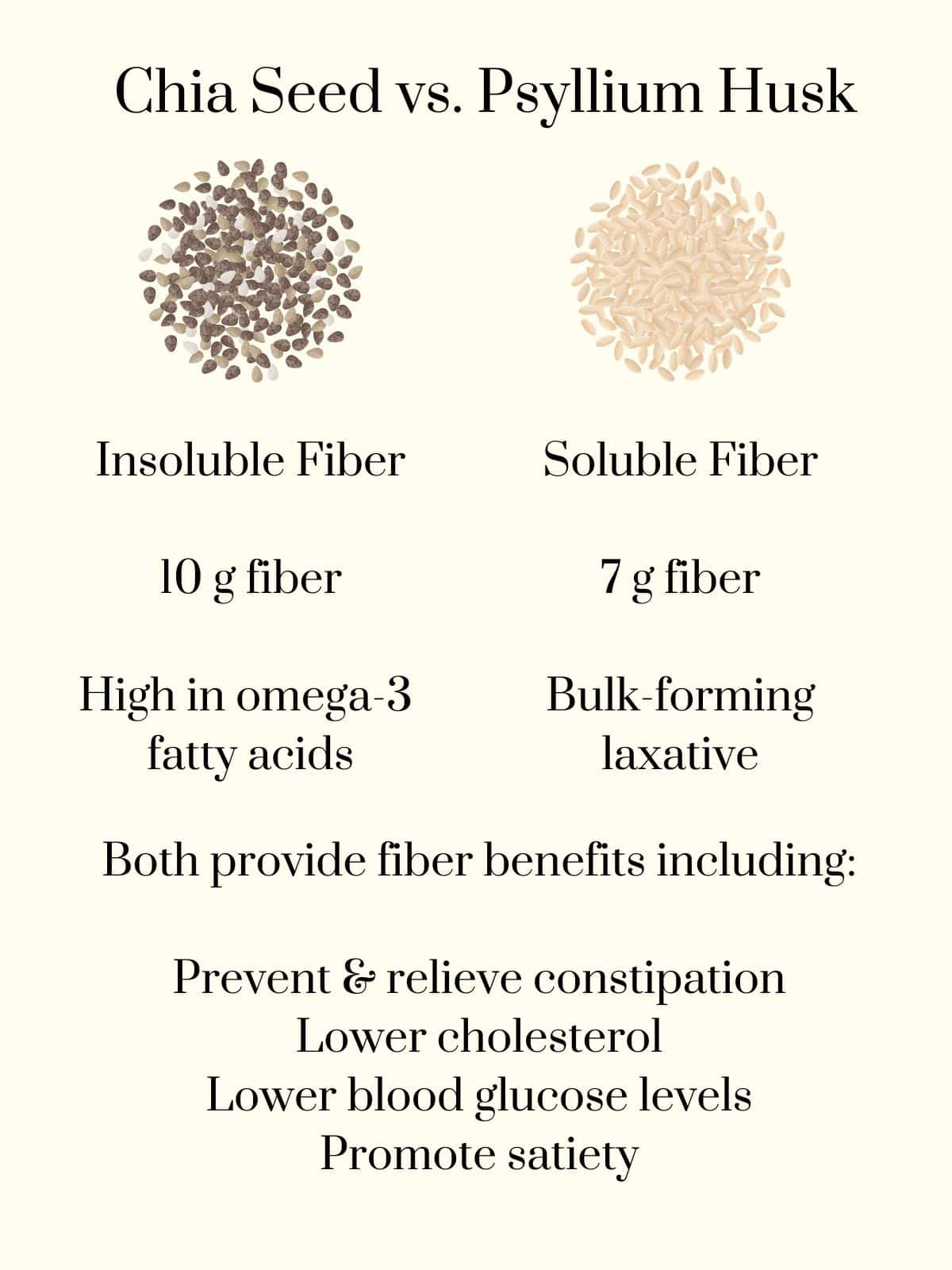
The primary types of fiber that you've likely heard about are insoluble fiber and soluble fiber. These types of fiber are both highly beneficial to the digestive tract. When considering to consome psyllium husk or chia seeds, the ideal answer would be BOTH as they can work synergistically to contribute to positive overall health. But let's take a closer look into what makes these excellent fiber sources different and how they can be beneficial and incorporated into a healthy diet.
What is Psyllium Husk?
Psyllium comes from the seeds of the plantago ovata herb, primarily grown in India. Psyllium is widely sold in finely ground powder form, as psyllium seed husks or as capsules. Metamucil is the most widely known psyllium husk supplement that often contains added sugars or sugar substitutes to enhance its taste. Psyllium husk is categorized as a soluble fiber and because soluble fiber dissolves in water it has been shown to help lower cholesterol levels, lower blood sugar levels and contribute to weight loss.
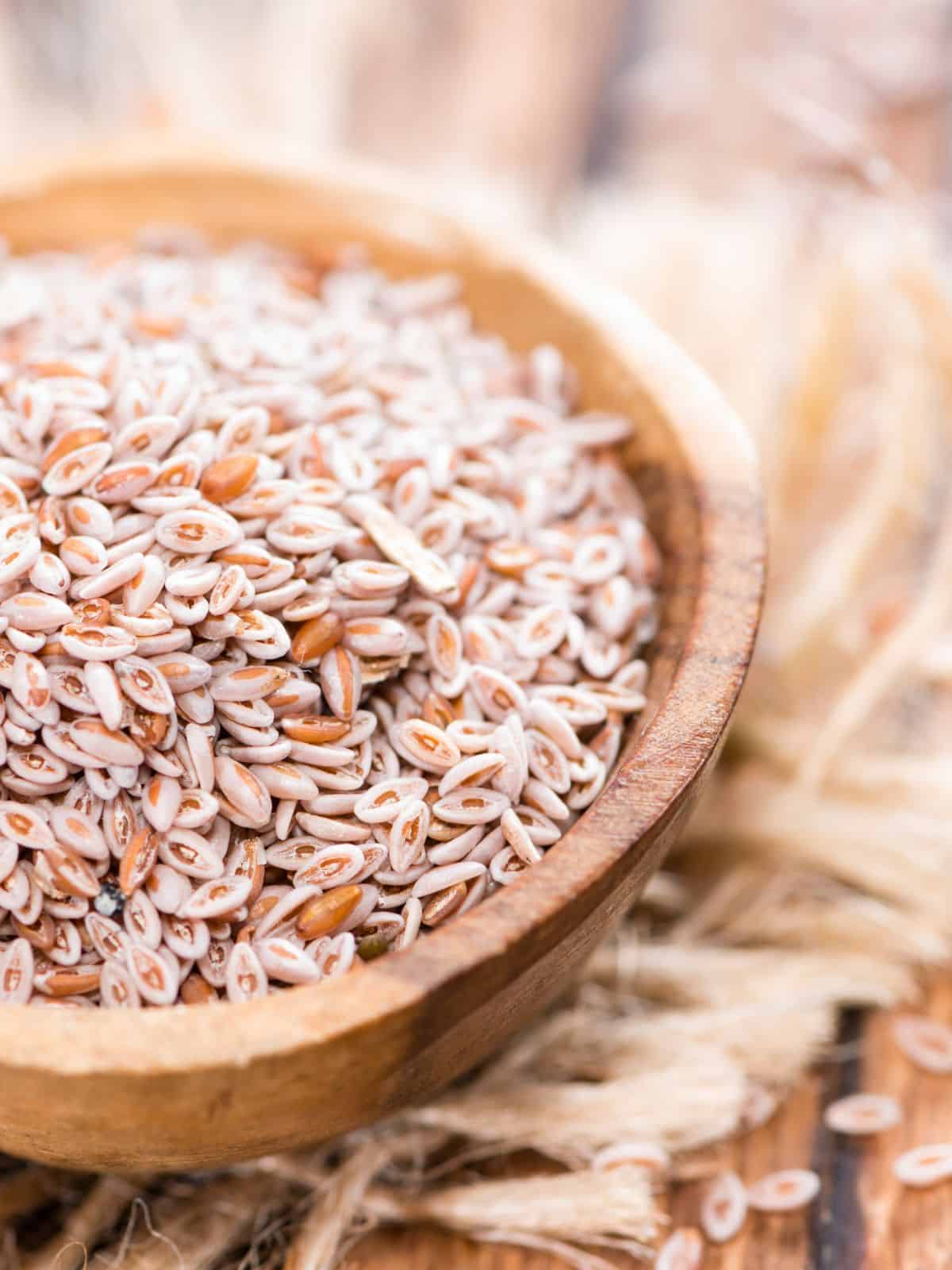
When ingested, psyllium binds to partially digested food that is moving through the stomach into the small intestine. As it travels, psyllium draws water into the stool which helps to increase both the size and moisture of bowel movements. This translates to easier to pass stool via a bulk forming laxative effect. For those suffering from hemorrhoids or seeking natural constipation relief, psyllium can be a great addition as a dietary supplement to your daily regimen.
?When taking psyllium in powder or seed husk form, be sure to follow the package directions as consuming with plenty of water is essential to both safety and efficacy. Psyllium powder or husk can be added to smoothies or dissolved in water to drink. It can even be added as an ingredient to baked goods to bulk up the fiber content. It can be a struggle to get the recommended grams of dietary fiber from diet alone and adding a serving of psyllium to your daily diet can be a great way to increase daily fiber intake.
For those suffering from irritable bowel disease, ulcerative colitis, or irritable bowel syndrome, always consult with your healthcare provider before adding a fiber supplement to your daily routine. Psyllium husk can be found at your local grocery store or health food stores in the form that best suits your needs and taste buds.
What is Chia Seed?
Maybe you've seen the viral social media internal shower drink featuring chia seeds, lemon juice and water. Or perhaps you recall the Chia Pet ads of the 1980s and didn't even know chia offered any nutritional value. Chia seeds come from the salvia hispanic plant which is in the mint family. The plant orginated and was widely grown throughout central Mexico and Guatamala. Chia seeds have been consumed as a high fiber food source as far back as 3500 BC and were even offered to the Aztec gods in religious ceremonies. Talk about a superfood!
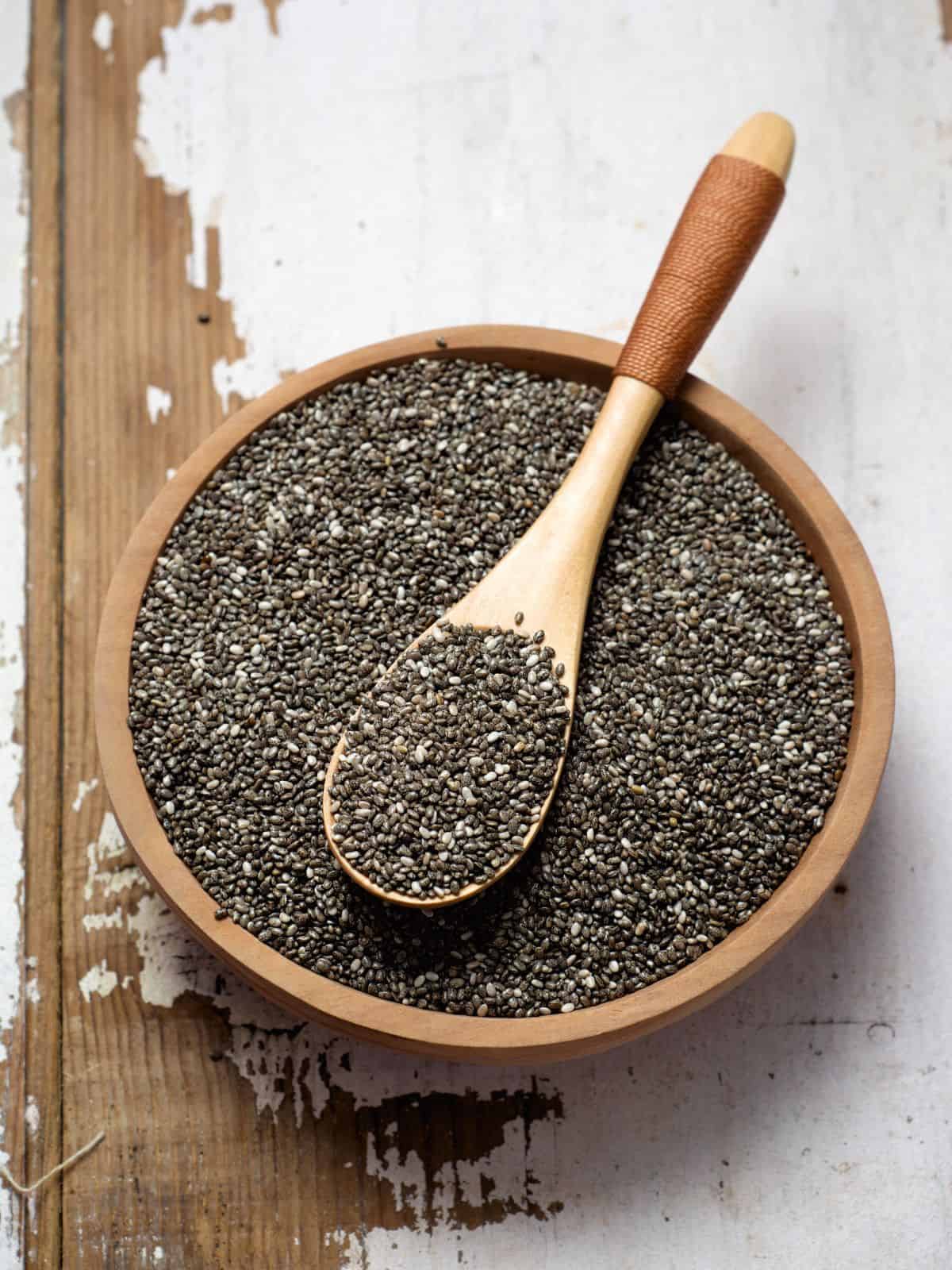
These tiny edible seeds are an excellent source of omega-3 fatty acids while containing a good amount of protein per serving. A serving size of two tablespoons of chia seeds contain 10 grams of fiber, making them a very good source of fiber. Chia seeds contain all nine essential amino acids, classifying it as a complete protein.
One of the main differences between chia seeds and psyllium husk is that chia is considered primarily as an insoluble fiber. This means it does not dissolve in water and when ingested, helps to move things along in the digestive tract, preventing constipation. The mucilage, aka the gel-like substance surrounding the chia seed, aids in slowing down digestion which in turn mitigates blood sugar spikes and increases satiety.
When added to liquid, chia seeds form a gel-like consistency around the seed making it a great addition to puddings and smoothies or even using as egg substitutes. Chia seeds are more easily digested when consumed in liquid or ground up. Sprinkle chia on your yogurt, smoothie or even in a glass of water just like the internal shower drink. While it won't necessarily provide a "cleanse" or "detox", chia seeds are a high-fiber food with exceptional nutrional content that can be a great addition to a balanced diet.
Chia Seeds vs. Psyllium Husk
If looking for more of a gentle, but bulk forming laxative, psyllium husk would be the optimal choice to begin incorporating into your diet. While full of fiber that will contribute to a healthy digestive system, chia seeds will not have this same soft bulk forming impact on stool. Both can be highly beneficial and can work synergistically to aid in improving and maintaining a healthy gut microbiome!
In terms of taste, both psyllium and chia are almost tasteless and can easily be added to liquids or baked goods without impacting the overall flavor. They will absolutely impact the consistency of liquids and baked goods so consider before adding. When consuming both chia seeds and psyllium, ensure you are consuming adequate fluids for safety and optimal health reasons.


Leave a Reply